

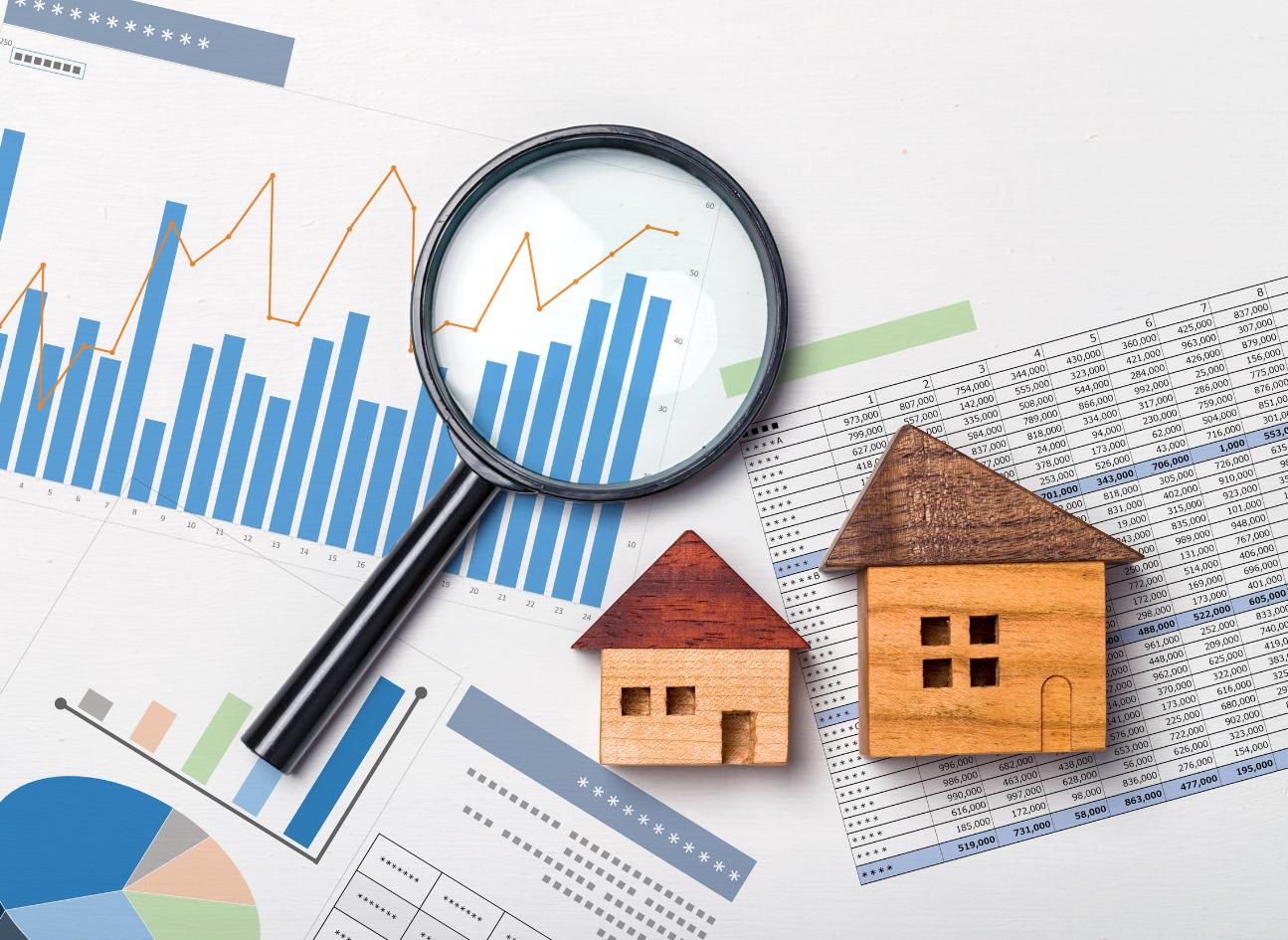

When you’re planning to buy a new home or sell your property, it’s essential to have access to detailed information. Getting quick and tailored data through property reports can greatly enhance your decision-making process. They give you deeper insights about your property, allowing you to make more informed decisions.
With the changing landscape of the real estate market, understanding property reports has become more vital. According to recent findings, Australia’s real estate market, which includes residential, commercial, and industrial properties, is expected to reach a value of $7.92 trillion (Statista Research Department, 2024).
Even though interest rates went up quickly, capital cities reached new price highs. The total value of homes increased by $209.4 billion to $10,720.7 billion from $10,511.40 in 2023 (Australian Bureau of Statistics, 2024). In light of these trends, it’s crucial to explore property reports to understand their broader implications.
In this article, we’ll guide you in discovering the truth about property reports. This includes the type of information they contain, how to interpret this data, its various applications, and its limitations. We’ll also provide you with insights on how to ensure the validity of these reports.
Understanding property reports
A property report is a document that gives a general overview of a specific property including relevant market data. It comes in an easy-to-read format for both buyers and sellers. It contains descriptive details about the property, its estimated value, local property price trends, market demographics, and other vital figures to help determine its value.
The importance of property reports
Given the dynamic nature of the real estate market and the complex processes often involved in buying or selling a home, a property valuation is crucial as it makes the whole process more efficient.
For potential buyers, property reports offer a quick overview, helping them gauge whether it is a worthwhile investment. For sellers, these reports provide a fast way to check market value and trends, aiding in the timing of the sale.
Reasons why you might need a property report:
- Buying a home
- Selling a property
- Refinancing a loan
- Estate planning
- Aligning financial position and goals
Sources of property reports
Although banks and financial companies offer online property reports, it is advisable to consult a trusted property valuation expert. This way, you can ensure you receive the latest and most relevant information for any type of property, whether it’s for residential, commercial, or investment purposes.
Insights provided by free property reports
While property reports may vary depending on the type of property and their data source, they often provide generic information. These insights serve as quick initial resources for investors, buyers, and sellers to know more about the property’s profile and features.
Property details and ownership history
Free property reports typically include basic information such as the property’s address, facilities (number of bedrooms, bathrooms, and garage or parking spaces), and legal descriptions (lot size, boundaries, and potential boundary issues).
They also provide an ownership timeline, showing the names of the previous owners, dates of sale, and sale prices. Knowing a property’s ownership history and how frequently it has been sold and transferred helps in making better judgments and identifying potential issues with future investments.
Market value estimates and trends
Apart from historical and ownership data, a free property report may also provide an estimate of the property’s value. Such statistical estimates are based on the overall characteristics of the property, considering its location and the recent sales of other similar properties in the area.
Most property reports also include listings for sale or rent, offering more useful data for property owners and investors.
Neighbourhood demographics
Free reports also include insights into neighbourhood demographics, such as local services, schools, emergency services, medical facilities, shopping centres, and other amenities, which can be useful for assessing the property’s location.
Limitations of free property reports
With its ability to deliver fast information, when you need it, automatically generated property reports also come with drawbacks.
Accuracy and reliability
Free property reports may rely on outdated data, leading to inaccurate estimates. Also, as the data is highly dependent on its researchers, its quality and reliability can greatly vary among different providers, and there is no individual analysis of the sales that the report has relied upon.
No customisation
Free reports often provide generalised information that may not cater to specific property details or unique situations. They may not cover all aspects of the property, such as recent renovations or unique features that may affect the property’s value, such as easements.
Lacks expert assessment
These reports lack the knowledgeable understanding and professional judgement that certified valuers provide. Without expert analysis, users may misinterpret or misapply the information provided.
Incomplete data
Key information such as legal issues, easements, environmental hazards, or detailed market analysis may be missing. Free reports often provide a surface-level overview rather than an in-depth analysis. For example, more valuable information for investors about the projected capital growth and related risks is often overlooked by property reports.
Dependence on public records
Free property reports rely on public records, which can sometimes be incomplete or incorrect. Unlike professional valuations, free reports do not include a physical inspection of the property.
3 Quick Tips for Verifying the Accuracy of Property Reports
To ensure you make well-informed decisions based on property reports, it’s crucial to verify their accuracy. Here are three quick tips to help you assess the reliability of these reports and confirm you are using the most accurate information available.
Consult with professionals
Seek advice from well-experienced and trusted property valuers to validate the information provided in the property report. Professionals offer detailed analysis and local insights that can enhance the accuracy of your property assessment.
Cross-reference multiple sources
Compare information from various reports and data sources to ensure consistency and reliability. Using multiple sources helps identify discrepancies and confirm the accuracy of the information.
Explore for recent updates
Verify that the property report includes the most current data by checking the report’s date and reviewing recent changes or trends in the property market. Updated information is crucial for making accurate decisions.
Conclusion
While free property reports offer valuable initial insights, it is essential to verify their accuracy. Consulting with valuation experts ensures you only get the most reliable and accurate property valuations.
For a detailed assessment of your property and to help you make more strategic decisions, get in touch with our team today!